Introduction
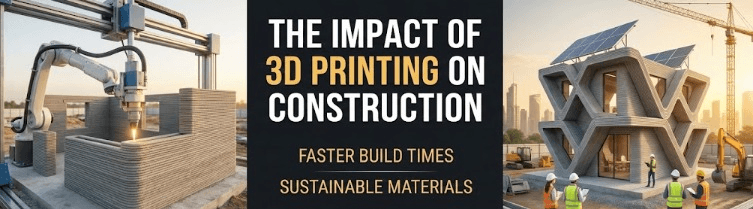
3D printing is changing how buildings are made in India. Instead of using bricks and cement in the old way, 3D printing uses a special machine that builds houses and offices layer by layer, following a computer design. This means construction can be faster, more creative, and use less material, making the process cheaper and better for the environment. With 3D printing, it’s possible to build strong homes quickly and with less waste, helping make better buildings for everyone.
What are the Applications Of 3D Printing?
- Prototyping and Design Validation:: 3D printing allows rapid creation of scale models to check structural integrity, estimate costs accurately, and present visually compelling designs to stakeholders. As adoption grows, this could become a standard tool for architects and developers seeking precision and efficiency.
- On-Site Construction:: The most exciting application is printing building components, walls, foundations, and structural elements directly on-site. While still experimental in India, these methods promise to accelerate housing projects and support disaster relief efforts.
- Component Manufacturing:: 3D printing can also produce complex components, such as decorative elements, custom joints, or prefabricated panels, which are then integrated into conventional construction workflows. This hybrid approach combines innovation with reliability and could be a practical first step for early adopters in India.
What are the Key Benefits for India?
- Faster Construction:: Structures could be built in days rather than weeks.
- Cost Savings:: Less material waste and fewer errors.
- Design Freedom:: Enables complex and customized designs.
- Sustainability:: Reduces material use and lowers carbon emissions.
What are the Key Challenges in India?
- High Upfront Costs: High upfront equipment and technology costs.
- Regulatory Hurdles: Wide spread adoption still faces hurdle.
- Lack of Skilled Workforce: Lack of regulatory standards specific to 3d-printed structures.
- Material Limitations: Need for specialized materials and trained operators.
Market Sizing: Global and India
The global 3D printing construction market was valued at USD 53.9 million in 2024 and is expected to reach USD 4.18 billion by 2030, growing at a CAGR of 111.3%. This rapid growth is fueled by technological advances, declining equipment costs, and increasing pilot projects in residential, commercial, and infrastructure sectors. In India, 3D printing in construction is still in its early stages, with experimental projects being tested in cities like Pune. The process begins with a computer-aided design (CAD) model, which is sliced into layers for printing. Industrial-scale printers, often robotic arms, then build the structure layer by layer using materials like special concrete mixtures, resins, or metals. In early demonstrations, small residential units can be printed in under 48 hours, not including finishing work.
Advice For Contractors, Builders and Equipment Owners
In the future 3D printing will reduce reliance on heavy traditional machinery purchasing because of reduction in project time, giving builders flexibility and lower costs. Instead of buying, builders and contractors can start renting specialized equipment on demand through platforms like Infrabid. Register Now to Stay Ready For a More Efficient, Sustainable, and Future-Ready Construction Industry.